 MIRIALIS
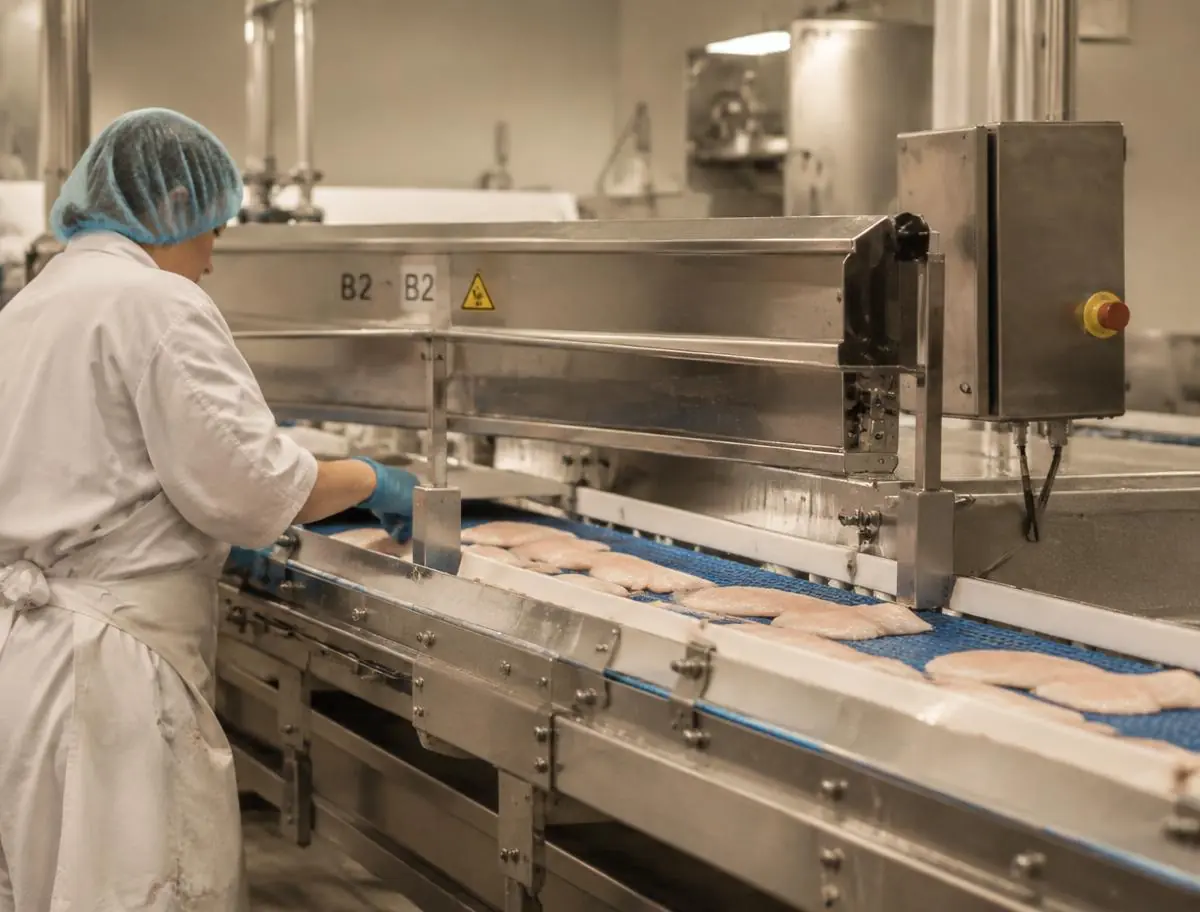
Food and beverage
Food companies sell to retail buyers, importers and industry, often met at a trade show once a year. In production, quality and food safety generate documents and checks that grow every year.
The commercial value sitting idle.
Where it sits
- Buyer and importer contacts from trade shows
- Private-label or price-list requests with no follow-up
- Distributors and foreign customers who no longer reorder
- Enquiries from the website and B2B portals
Buyers by product category
Whoever tasted the organic line receives news about the organic line. Segmenting by interest is worth more than any newsletter.
New products to the right contacts
Every new format or SKU is a reason to contact again whoever showed interest in that category.
Idle importers
Foreign distributors who ordered once and then stopped: often it is enough to understand why.
Processes worth making faster.
Demand forecasting
Forecasts combining order history, seasonality and promotions to support planning.
Data sheets, allergens and labels
Draft data sheets and consistency checks on ingredients and allergens, approved by quality.
Supplier documents and certifications
Collection and checking of supplier documents with expiry alerts, ahead of IFS or BRCGS audits.
Micro-stoppages on packaging lines
Short stops that never reach the shift report, read from line data and ranked by lost time.
Cibus (Parma)TUTTOFOOD (Milano)SIAL (Parigi)Anuga (Colonia)
Frequently asked questions
Do you handle foreign contacts too?
Yes. Communications are written in the contact’s language, with a tone suited to the market.
Does it integrate with our ERP?
Yes. We read data from the ERP or from the files you already use; the integration is defined in the diagnosis.